Family-owned, licensed & insured. Free in-home estimates in Arlington and nearby cities. Call (817) 555-0123

Tear-out, grinding and haul-off

Old Flooring Removal in Arlington, TX

Carpet, tile, wood and vinyl removed down to a clean slab or subfloor, with dust control on every grinder and a stop-and-test rule for anything that might contain asbestos.

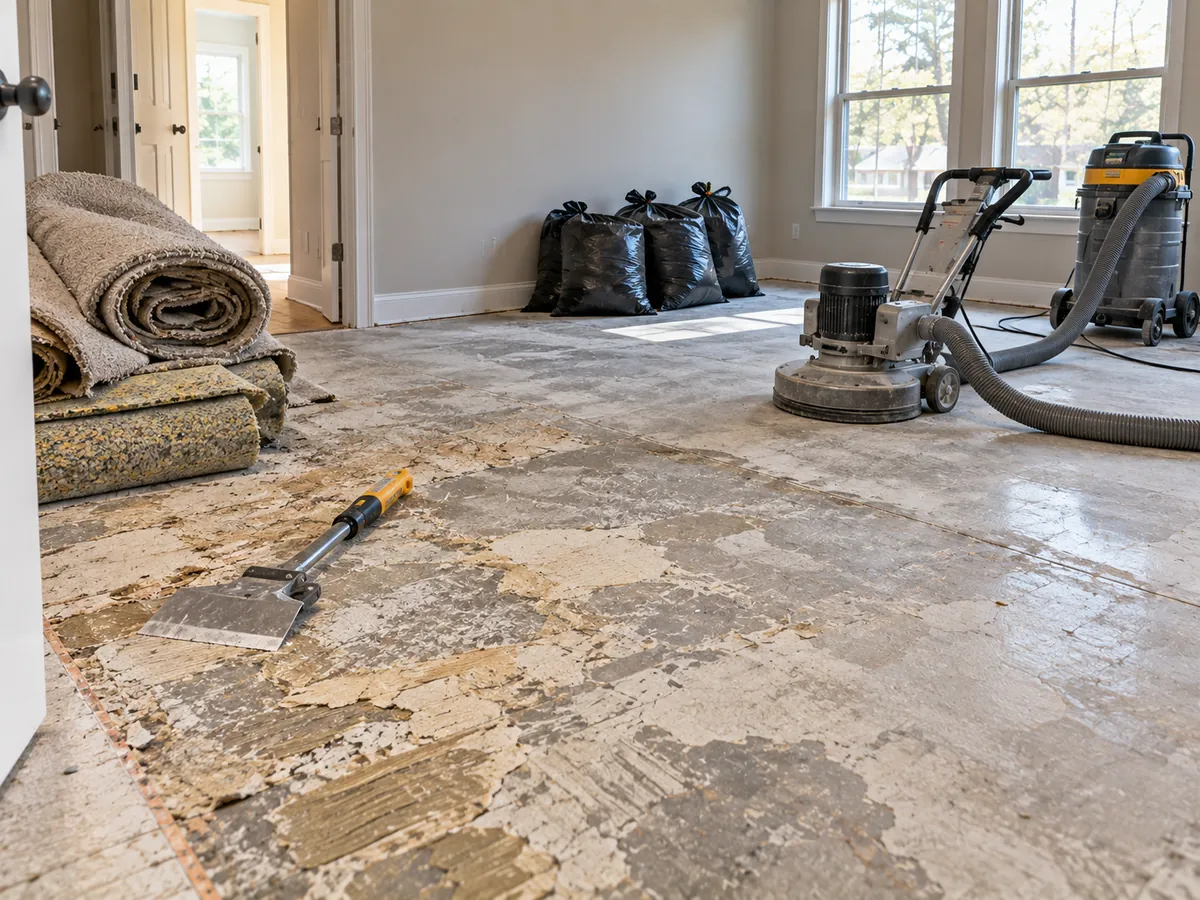
  • Carpet, tile, wood, vinyl and laminate removed
  • Thinset and adhesive ground with vacuum dust control
  • Suspect vinyl and black mastic left alone until tested
  • Debris hauled off, free written quote

Family-owned · Licensed & insured, Lic. #238190 · Financing available

Old ceramic tile being removed from a concrete slab during flooring removal in an Arlington, TX home

Old flooring removal in Arlington, TX takes more care than most people expect, because what comes up, and how it comes up, decides what the new floor will sit on. Pulling carpet is quick. Breaking out tile bonded to a slab or grinding off a layer of thinset is slow, loud and dusty, and done carelessly it gouges the concrete or sends fine dust through the whole house.

We remove carpet, tile, hardwood, vinyl and laminate, grind off what is left, haul the debris away and leave a surface ready for new flooring. Some Arlington homes still have original vinyl tile hidden under carpet or a newer floor. If we uncover a layer that might contain asbestos, we stop and talk with you before anything is disturbed.

What's Included in Our Flooring Removal

A removal quote from us covers the whole job, from protecting the house to leaving a clean, bare floor:

  • Material check. We look at each layer, lift a corner or vent cover where we can and note anything that needs testing first.
  • Protection: plastic over doorways, covers on return-air vents and floor protection along the path to the truck.
  • Carpet and pad removal, including tack strip and staples.
  • Tile removal with demolition hammers, then grinding off the leftover mortar.
  • Hardwood removal, whether nailed to plywood or glued to a slab.
  • Vinyl, laminate and glue-down plank removal, once we know the material is safe to disturb.
  • Haul-off and sweep-out, leaving the slab or subfloor ready for inspection.

When Removal Is the Right Call

Not every old floor has to come out, and covering one can save time and money. Removal is usually the better choice when:

  • The new floor needs a solid, bonded surface, as tile and glue-down wood do, and the old layer is loose, cushioned or uneven.
  • Floor height matters at doors, appliances, stairs and transitions.
  • The old floor may hide damage, such as a soft spot, a musty smell or staining from an old leak.
  • Carpet and pad hold pet odors or allergens you want gone.
  • Layers have stacked up, and the next floor would sit on two or three old ones.

If a leak ruined the old floor, our water-damaged floor replacement page explains how drying and insurance fit in first.

Our Flooring Removal Process

  1. Identify every layer. If we find older vinyl tile, sheet vinyl or black adhesive, we pause that area and recommend testing before anything is cut, scraped or broken.
  2. Protect the house. Doorways are sealed with plastic, return-air vents are covered and the path to the driveway is protected.
  3. Take up the floor. Carpet is cut into strips and rolled. Tile is broken out with demolition hammers. Wood is pried or cut into sections, and fasteners are pulled.
  4. Grind off thinset and adhesive with diamond grinders and vacuum shrouds, the dust control OSHA's construction silica standard, 29 CFR 1926.1153, requires for this work.
  5. Haul off the debris in our truck or a roll-off dumpster.
  6. Inspect the bare floor for cracks, high spots and soft areas, and tell you what the new floor will need.

Removal Methods by Floor Type

Every floor comes up differently, and each one leaves something behind to deal with before the new floor goes in.

MaterialHow we remove itTypical prep after
Carpet and padCut into strips, rolled and bagged; tack strip pulledScrape and sweep; the slab is often close to ready
Ceramic or porcelain tileBroken out with demolition hammersThinset grinding, a crack check and often patching or leveling
Nailed hardwoodCut into sections and pried upPull nails, re-screw plywood and replace damaged panels
Glued wood or glue-down plankLifted with a power scraperGrind off adhesive ridges, then patch or level
Older vinyl tile, sheet vinyl or black masticLeft in place until a sample is tested by an accredited labNormal removal if negative; licensed abatement if positive
Floating laminate or click vinylUnclicked and stacked; underlayment rolled upUsually light; check flatness and moisture

Tile removal almost always means some slab work afterward, since thinset rarely comes off clean and the tile may have been hiding cracks. We can quote removal together with subfloor repair and leveling.

What Affects the Cost of Flooring Removal

Removal is priced by the labor and disposal the job takes. The main factors:

  • Material. Carpet comes up fast. Mortar-set tile and glued wood take much longer.
  • How it was installed. Tile in a thick mortar bed over wire mesh takes far more work than tile on thinset.
  • Square footage and layers, including any older floor found under the top one.
  • Grinding needed to get the slab down to a surface the new floor can bond to.
  • Debris weight, since tile and mortar cost more to dispose of than carpet.
  • Access, such as second-floor rooms or a long carry to the driveway.
  • Testing or abatement, if suspect material turns up. Licensed specialists do and bill that work, not us.

Asbestos, Dust and Older Arlington Floors

Arlington's population nearly tripled between 1970 and 1990, from about 90,000 to more than 260,000 (U.S. Census Bureau), and plenty of the houses built in those years still hide their original floors. The EPA warns that older vinyl floor tiles, the backing on sheet vinyl and some adhesives, black mastic among them, may contain asbestos, and that suspect material should not be sanded, scraped or broken. You cannot tell by looking. When we find these layers, we stop work in that area and recommend testing by an accredited lab. If the result is positive, removal belongs to a licensed abatement contractor; Texas DSHS regulates asbestos work in the state.

Why choose us

Why Arlington Homeowners Hire Us for Tear-Out

1970s & 80s

homes where we check for vinyl and mastic first

We Stop Before Disturbing Suspect Material

Asbestos fibers get released when old vinyl tile or black mastic is broken, sanded or scraped, which is why the EPA advises leaving suspect material alone. In Arlington homes from the 1970s and 1980s, and older, we look for these layers before we start. If we find them, work in that area stops until an accredited lab confirms what the material is. A positive result goes to a licensed abatement contractor, not to us.
1926.1153

OSHA silica standard for grinding and breaking tile

Dust Kept Out of the Rest of the House

Breaking tile and grinding thinset release respirable crystalline silica, and OSHA's construction standard, 29 CFR 1926.1153, requires dust control for that work. We grind with vacuum shrouds connected to filtered dust extractors, seal doorways with plastic and cover return-air vents so your HVAC system does not carry dust into other rooms. You will still hear us, but you should not find gray dust on the kitchen counters.

10 ft

straightedge we run across every bare floor

A Clean Slab and a Straight Answer

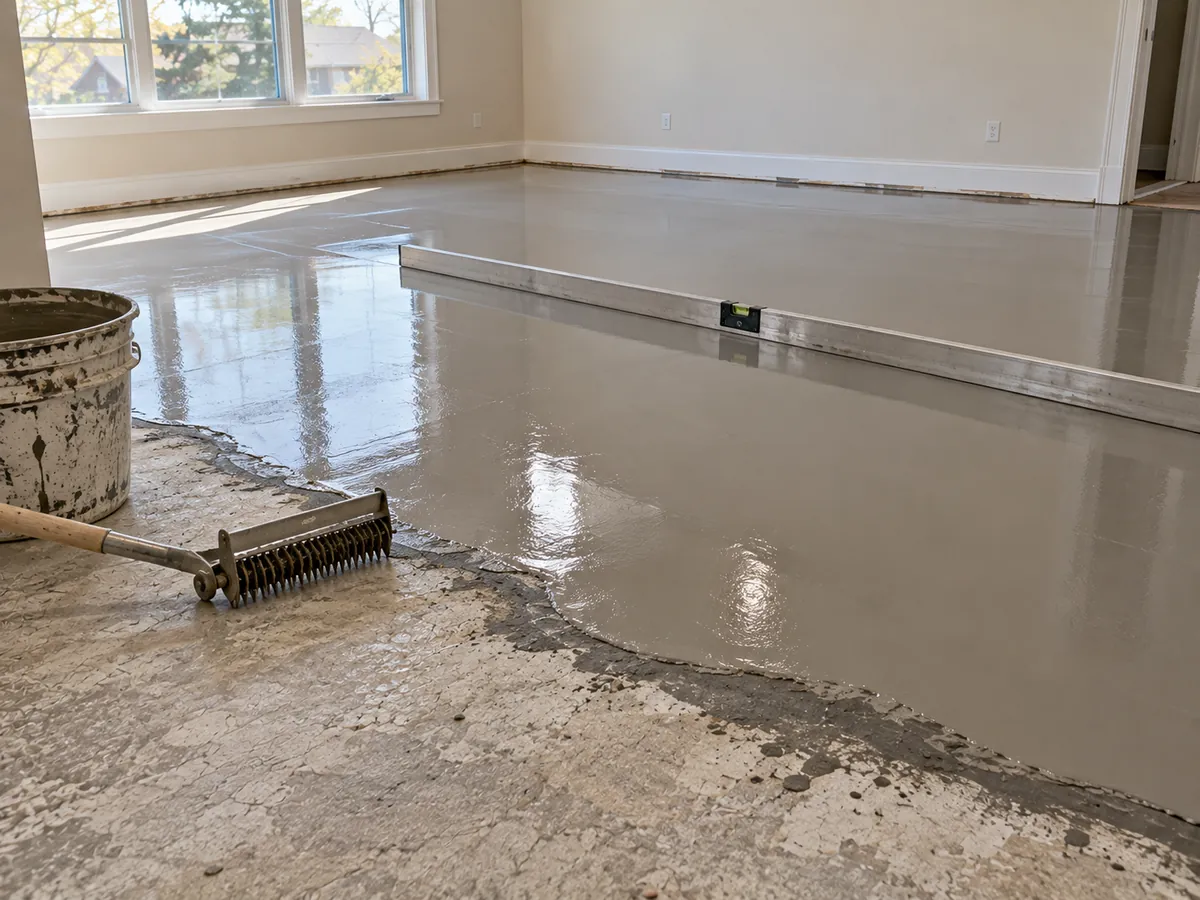
Removal is when you find out what your floor is really sitting on. Once the old flooring is gone, we walk the bare slab or subfloor with you, run a 10 foot straightedge across it and point out cracks, humps, old leak damage or soft decking. If repair is needed, you get a separate written price for it and decide before any added work begins.

Free estimate

Get a Free Old Flooring Removal Estimate This Week

One call books your in-home measure, and you get a written, itemized quote after the visit.

(817) 555-0123

Mon to Fri 7 AM to 6 PM · Saturday 8 AM to 2 PM · Financing available

Our job-site standards

What Every Arlington Flooring Job Includes

No surprises on install day. These standards apply to every room we touch, from a single bathroom to a whole house.

  • Moisture readings, written down

    We test concrete slabs and wood subfloors before installation and record the numbers on your job sheet.

  • Flatness checked to spec

    We check the floor with a long straightedge and fix humps and dips to the flooring maker's tolerance.

  • Itemized, written quote

    Material, underlayment, prep, removal, trim and labor are listed line by line, so you can compare bids.

  • Protected home

    Floor protection on walkways, plastic dust barriers where we cut or sand, and doorways kept clear.

  • Clean job site daily

    Debris hauled out, tools stacked, and rooms left usable at the end of each workday.

  • Final walkthrough

    We walk every room with you, fix anything you flag, and leave labeled spare boards or tile for future repairs.

FAQ

Old Flooring Removal FAQ

Does my old vinyl floor contain asbestos?

You cannot tell by looking. The EPA notes that older vinyl floor tiles, sheet vinyl backing and some adhesives such as black mastic may contain asbestos. The only way to know is to have a sample tested by an accredited lab. Until then, avoid sanding, scraping or breaking it.

Can new flooring go over my old floor instead of removing it?

Sometimes. Floating vinyl plank or laminate can often go over flat, well-bonded tile or sheet vinyl, and covering suspect vinyl is one way to avoid disturbing it. Carpet always comes out first, and tile or glue-down wood usually needs the old layer removed.

How long does it take to remove old tile?

A single bathroom can often be done in a day, while a kitchen and living area set in thinset may take 2 to 3 days including grinding. Tile set in a thick mortar bed takes longer. We give you a schedule once we have seen how your tile was installed.

Is removing tile and grinding thinset dusty?

It can be very dusty without the right equipment. Breaking tile and grinding concrete release silica dust, which OSHA's construction silica standard requires contractors to control. We use vacuum-shrouded grinders, seal off the work area and cover HVAC returns so the dust stays where the work is.

Do you haul away the old flooring?

Yes. Haul-off is part of every removal quote. We bag carpet and pad, load out tile, mortar and wood debris and take it away, then sweep the floor clean. Large tile jobs may need a roll-off dumpster, which we arrange and list on the quote.

Ready to Start Your Old Flooring Removal Project?

Call for a free in-home estimate. We measure, test the subfloor and leave you a written quote.

Call (817) 555-0123

Mon to Fri 7 AM to 6 PM · Saturday 8 AM to 2 PM · Licensed & insured, Lic. #238190

Call Now Free Estimate
(817) 555-0123