FAQ
Hardwood Floor Refinishing FAQ
How long does hardwood floor refinishing take?
It depends on square footage, stain and finish type. Sanding and repairs come first, stain has to dry before sealing, and each topcoat needs drying time before the next. Water-based systems can often take more than one coat a day, while oil-modified finishes usually need longer between coats. Your quote includes a day-by-day schedule.
Can you sand out black pet stains?
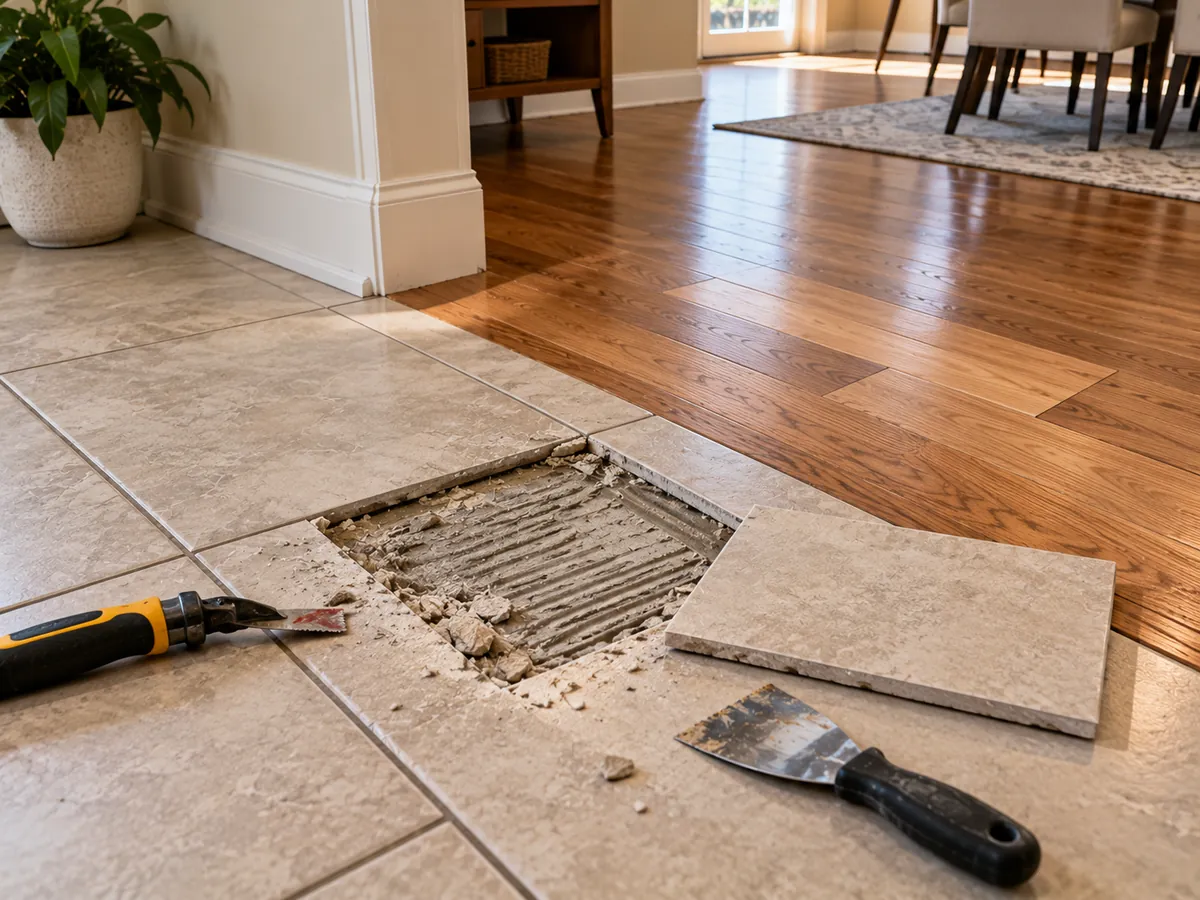
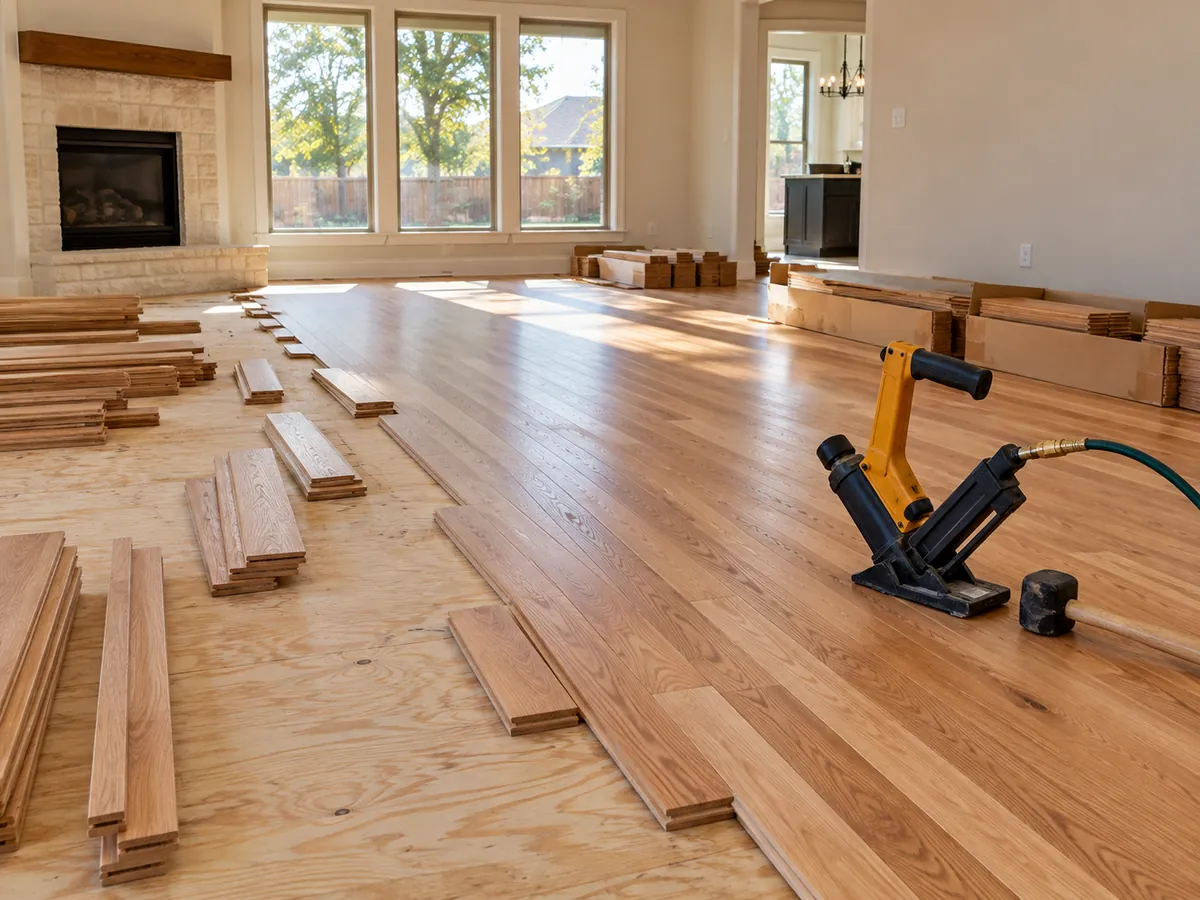
Usually not. Dark stains from pet urine tend to soak deep into the wood, so sanding lightens them but rarely removes them. The reliable fix is replacing those boards before the floor is sanded, so the new wood is finished along with everything else. Light gray water marks sometimes sand out, and we test before recommending replacement.
Should I screen and recoat or fully refinish?
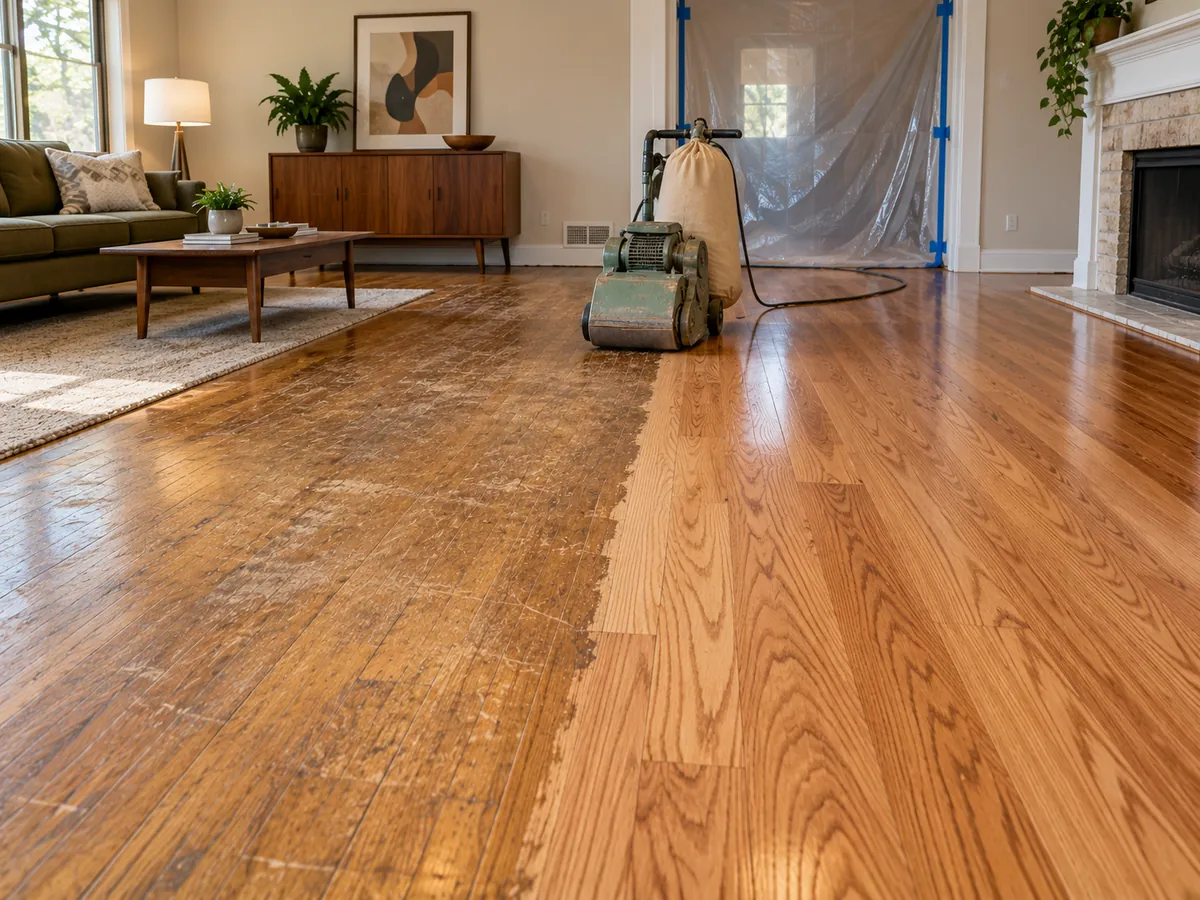
Screen and recoat when the finish is dull or lightly scratched but no bare wood is showing. Choose a full sand and refinish when traffic lanes have worn to gray wood, scratches go into the wood or you want a new color. A recoat will not bond over wax or some polish products, so we test the old finish first.
Do I have to leave the house while floors are refinished?
Not always with water-based finishes, though you will need to stay off the rooms being worked on and keep pets out. Oil-modified finishes have a stronger odor and a longer cure, so some families plan to stay elsewhere for a night or two. We seal doorways and control dust, but sanding is loud.
Will refinishing close the gaps between my boards?
Seasonal gaps that open in dry months and close in humid months are better left alone, because filler will crack or squeeze out as the wood moves. Wide, permanent gaps can be filled with wood slivers or filler during refinishing, or the boards relaid if they are severe. We look at the gaps before deciding.